














Published on October 27, 2026 3:21 pm
Last Updated on October 27, 2026 3:21 pm


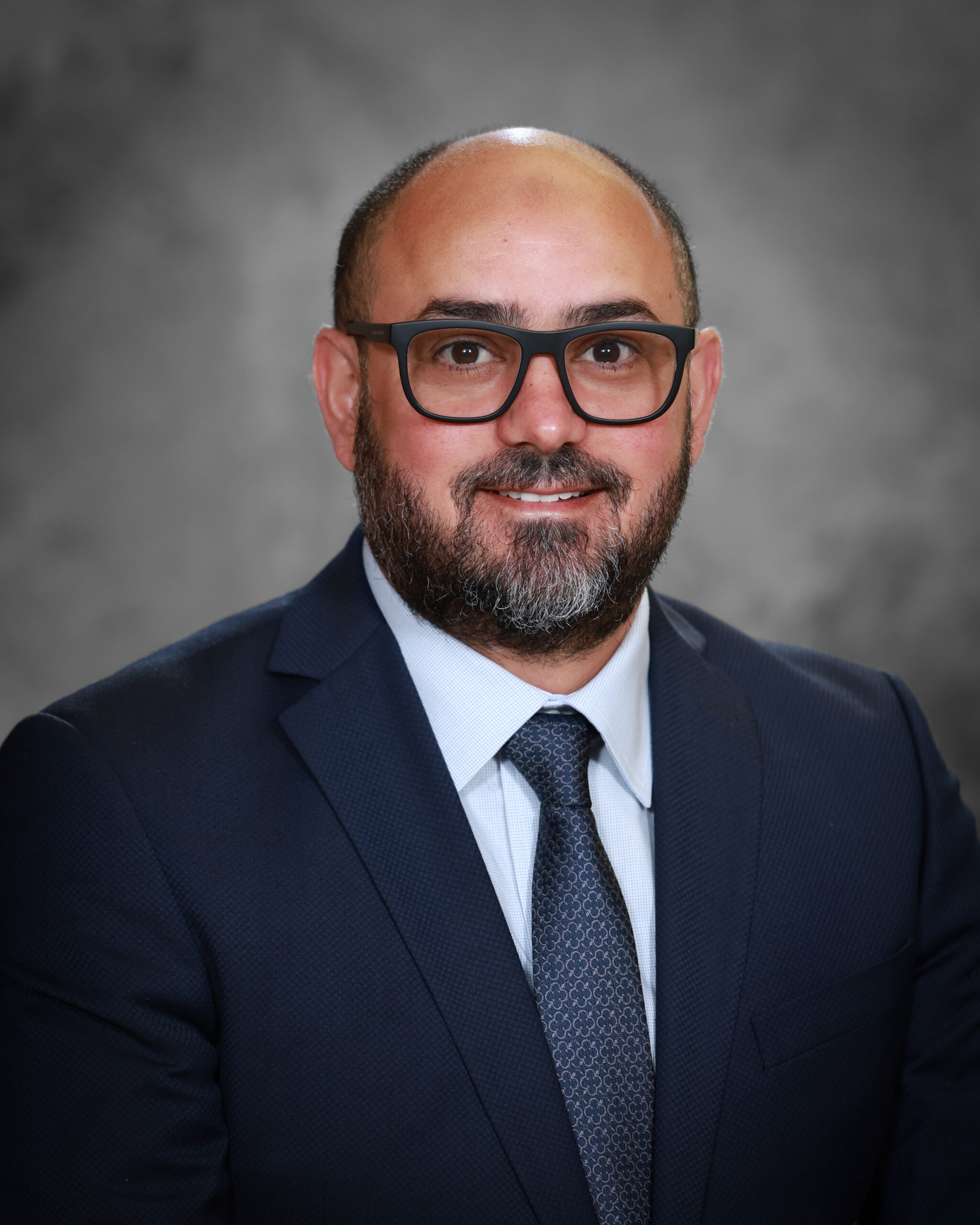
Sarah Bush Lincoln Electrophysiologists Abraham Kocheril, MD, and Mohamed Labedi, MD, are enhancing their care with artificial intelligence. They recently performed the first ablation procedures at SBL utilizing Vektor AI mapping technology.
Using a 12-lead EKG, the technology (VMap) creates a 3D image of the heart and highlights areas triggering or sustaining rhythm disorders. The vMap can be obtained during cardioversion
or ablation procedures. It adds to the information obtained by standard 3D mapping during an ablation procedure. By providing additional information early, the vMAP technology allows
physicians to work more efficiently.
Both physicians bring extensive expertise in cardiac electrophysiology, supported by advanced specialty training and years of clinical experience. Dr. Labedi has extensive training in electrophysiology and cardiovascular medicine through multiple residencies and fellowships, and Dr. Kocheril has more than three decades of electrophysiology experience and completed
fellowship training at Yale University School of Medicine.
“This technology has already been a great help to me,” Dr. Kocheril said. “It creates an image of the relevant heart chambers, which can help us identify the abnormal sources, including further
areas of concern aside from the one we usually look for.”
For example, the pulmonary veins are most commonly the source of atrial fibrillation, and vMAP can highlight other parts of the top chambers causing rhythm problems, improving outcomes.
“The other benefit of this technology is that it does not require extra steps during the procedure,” Dr. Kocheril said. “Because we need to perform an EKG for a cardioversion or ablation anyway,
this technology fits into the process nicely.”
Though vMAP is AI technology, Dr. Kocheril assures patients that he is in full control, and there is no risk of the technology doing anything on its own. “The information vMAP gives us does
not go anywhere, so privacy is protected,” Dr. Kocheril said. “If it ever does give inaccurate information, the software can be updated and improved, so it is entirely safe and a great
resource.”
For more information, call the SBL Heart Center at 217-238-4960.